Kōrero o Nehe
Kia timata tēnei kōrero ki tēnei mea te whakapapa, te mea e hono ai i a mātou ki te whenua. Ko Papawai whenua, ko Papawai marae, ko Papawai tāngata tēnei e mihi atu nei.
We are descended from ancestors who migrated to Aotearoa from Hawaiki upon the Takitimu and Kurahaupō waka. Papawai uri whakapapa to:
Ngāti Kahungunu (Takitimu),
Rangitāne (Kurahaupō),
Ngāi Tara (Kurahaupō).
We also assert whakapapa to the Ngāti Ira iwi, who do not claim origins from a waka, but from the ancestor Paikea.
Papawai people are also descended from the renowned navigator, Kupe, and and the celebrated rangatira, Haunuiananaia. Both were integral in naming and exploring parts of Wairarapa. Hau is responsible for the naming of many landmarks and natural features across Wairarapa, including some close to Papawai, such as our rivers, Waiōhine and Ruamahanga.
Papawai people also trace our genealogy back to Māui. We are his descendants and recognise him throughout our kōrero as his stories carry important learnings for our people. Te Karu o te ika a Māui (the eye of Māui’s fish) or Wairarapa Moana (Lake Wairarapa) lies to the south and remains a sacred and important place for Papawai descendants.
Ko wai mātou?
He whenua hou
The earliest tīpuna of Papawai uri who migrated to the Papawai area were those from the Kurahaupō waka. They were later joined by others who traced their whakapapa to Kahungunu (Takitimu) and Iratūroto (Ngāti Ira). Many inter-marriages consequently occurred.
This is why Papawai uri, and also Wairarapa uri, can claim descent lines to these multiple iwi.
The following is a (non-exhaustive) collection of the major hapū for Papawai uri.
Key hapū:
Pāteika
Ngāti Moe
Ngāti Kauihi
Ngāti Kahukura-ā-whitia
Ngāti Muretū
For hundreds of years, various papakāenga and pā occupied by different hapū and whānau were scattered around Papawai, Greytown and the general South Wairarapa area.
The names of these places and locations are still recognised today and we regard them as wāhi tapu and wāhi tīpuna. A large and significant pā close to Greytown was named Pehikātea.
Pakanga
1800s ~ 1820s
I tēnei wā tomokia ai te Wairarapa e ētahi hoariri. In the period of the 1800s to the 1820s a series of iwi from other parts of Aotearoa made their way into Wairarapa. Following this invasion was a series of pakanga where our tīpuna suffered great losses and were forced to leave for refuge with our whanaunga in Te Matau a Māui (Hawkes Bay) and Nukutaurua (Te Māhia).
After regathering their strength, many of our tīpuna, lead by Nukupewapewa, a military tactician and Papawai rangatira, reclaimed Wairarapa after years of enemy occupation.
Pākehā
1830s ~ 1850s
As mentioned above, Papawai has existed since the arrival of our tīpuna from Hawaiki as an area occupied by whānau and closely related hapū who lived in their own small pā and papakāenga.
However, the pakanga and musket wars took a huge toll on the population of our tīpuna.
Other pressures such as the arrival of Pākehā and the subsequent land issues were all factors which lead to the establishment of Papawai as an official pā, and as a collection of different hapū and whānau.
Ngā wānanga o Papawai
1860s
E Whata areare ō taringa ki ngā kōrero hohonu a tō pāpā, a Te Mātorohanga!
With colonisation in full effect our tīpuna thought it would be important to use the tools of the Pākehā to capture our kōrero and mātauranga to ensure their survival.
Mātorohanga (tohunga) erected a whare wānanga west of Papawai near Mangarara Stream called Te Hautawa, this whare was erected purely for the purposes of recording his knowledge.
Mātorohanga as the head tohunga along with other secondary tohunga, Nēpia Pōhūhū and Paratene Te Okawhare, initiated a number of sessions which spanned over a few years where they orally recited esoteric lore, kōrero atua, whakapapa, hītori, karakia, waiata, haka, mōteatea etc. The tipuna and scholar, Hoani Whatahoro Jury, captured it all in a series of manuscripts.
These writings, although altered in some aspects, have influenced the works of many renowned Pākehā academics such as Percy Smith and Elsdon Best.
Economic Developments 1860s, 1870s, 1880s
During these years Papawai flourished and experienced an economic and population boom. This was a direct result from the leadership, foresight and expertise of a number of our tīpuna who worked with early Pākehā to harness the new technologies and create a bustling community at Papawai.
At it's peak, the Papawai township had a school, a flour mill, and multiple shops.
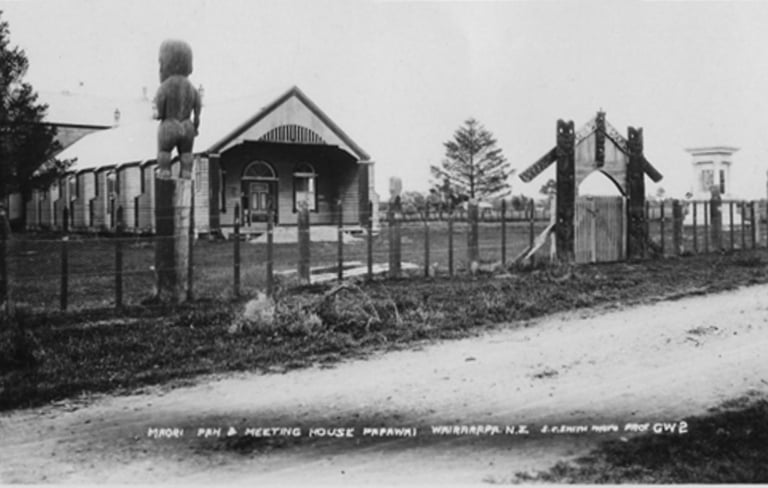
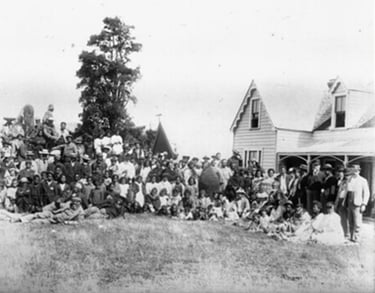
Kotahitanga movement: centre of Māori politics - 1880s ~ 1900s
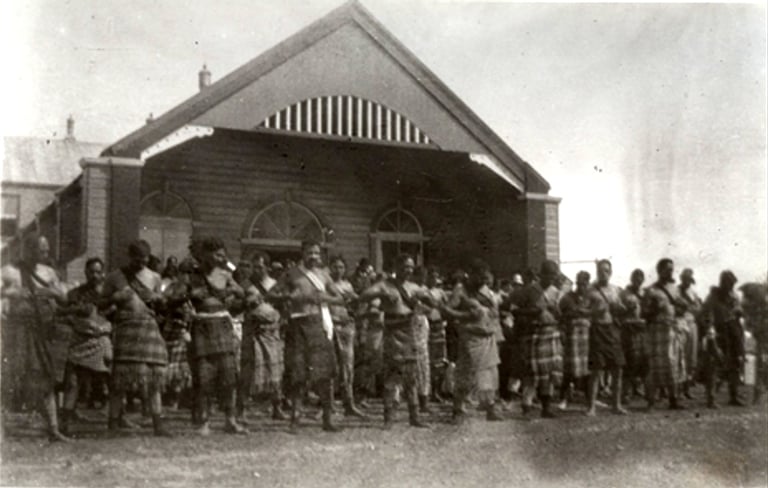
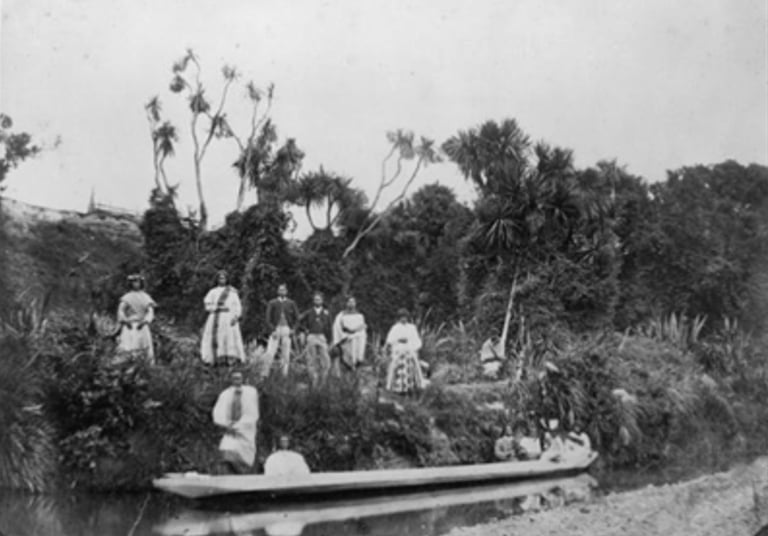
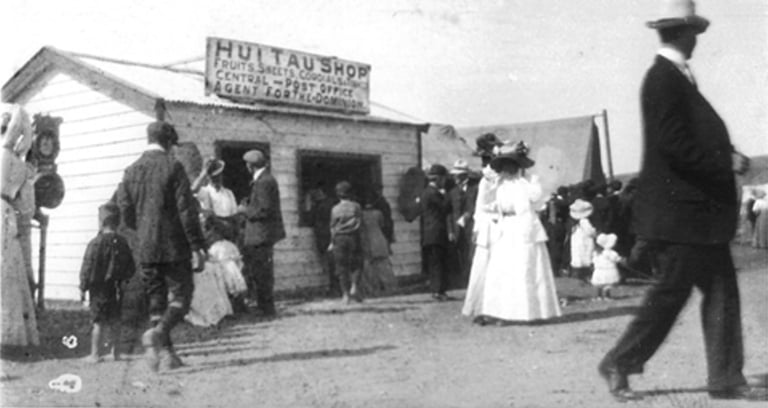
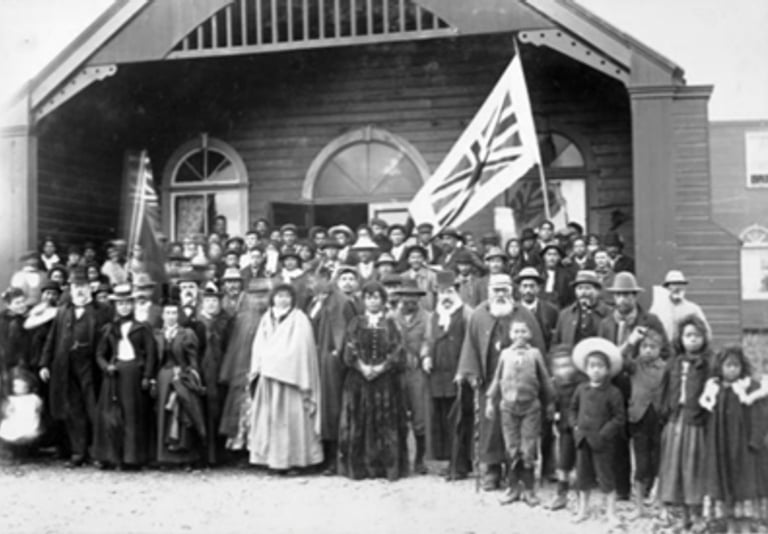
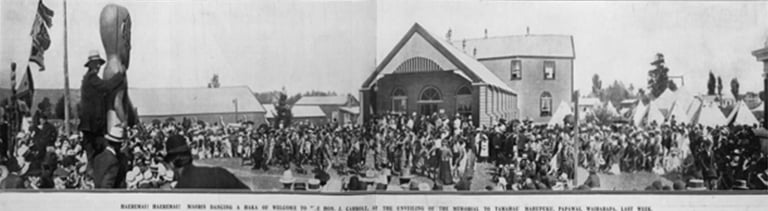
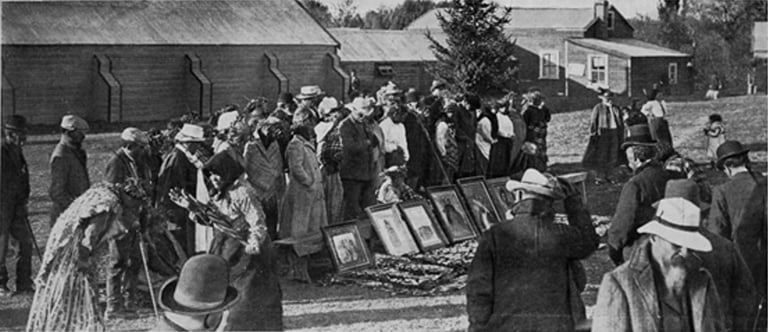
Many whare were built in this period and Papawai as a village experienced considerable growth.
A number of large structures were also erected for the purpose of hosting large hui at Papawai.
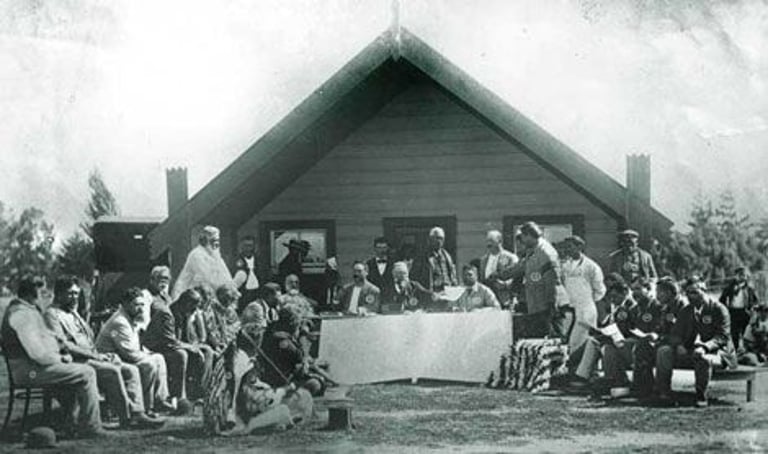
The most important series of hui to be held at Papawai at this time were the sittings of the Kotahitanga, or the Māori Parliament movement.
Papawai is often referred to as the centre of the Kotahitanga movement.
The kotahitanga movement saw rangatira from all over Aotearoa come together to form a parliament like institution at Papawai complete with its own executive councils, wings and areas similar to ministerial portfolios.
The Kotahitanga was aimed at bringing rangatira from different iwi together to respond to the impacts of colonisation, to discuss Treaty issues and the recently established power of the New Zealand parliament.
Some of the councils within the Parliament were: Te Kōmiti of Hineahuone (Women's affairs) and Te Kōmiti o Tāne-nui-ā-Rangi (Mātauranga Māori).
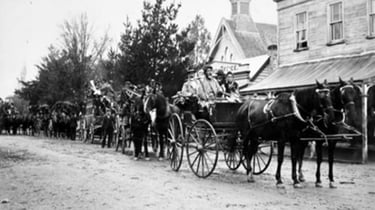
The township thrived in this period and a number of large national events were held at Papawai.
Papawai tīpuna held key leadership positions in the Kotahitanga movement and were well connected with other rangatira and renowned Pākehā leaders of the time who frequented Papawai, such as Richard Seddon.
Te Puke ki Hikurangi
A newspaper for Papawai and the Kotahitanga was created. Its purpose was to voice the issues of the Kotahitanga movement and other important take of the time.
It was named ‘Te Puke ki Hikurangi’ and was entirely in te reo Māori. It continues to be a key collection of our kōrero and mātauranga which was captured as well as everyday politics and news of the region. Copies can be found at Niupepa: Māori newspapers on the New Zealand Digital Library website.
At its peak, close to 3000 people lived at the township of Papawai.
Young leaders of Māoridom such as Tā Apirana Ngata and Tā Māui Pōmare were young scholars at the time and were involved at the Māori parliament.
Eventually the Māori parliament at Papawai came to an end, and individuals like the two above, continued similar take and kaupapa from within the New Zealand Parliament instead.
Although the Kotahitanga movement came to an end, it is a significant pan-tribal movement in Māoridom.
Papawai also had numerous haka rōpū during these times, one of them was also named Te Puke ki Hikurangi.
1900s – He Pā Whakairo!
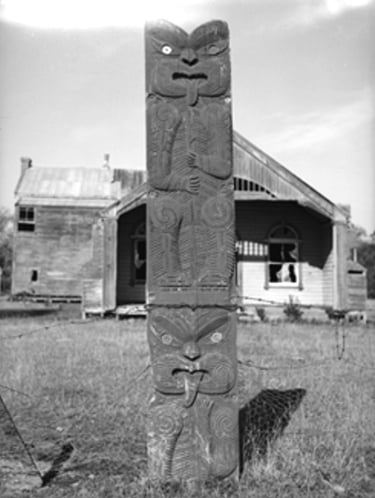
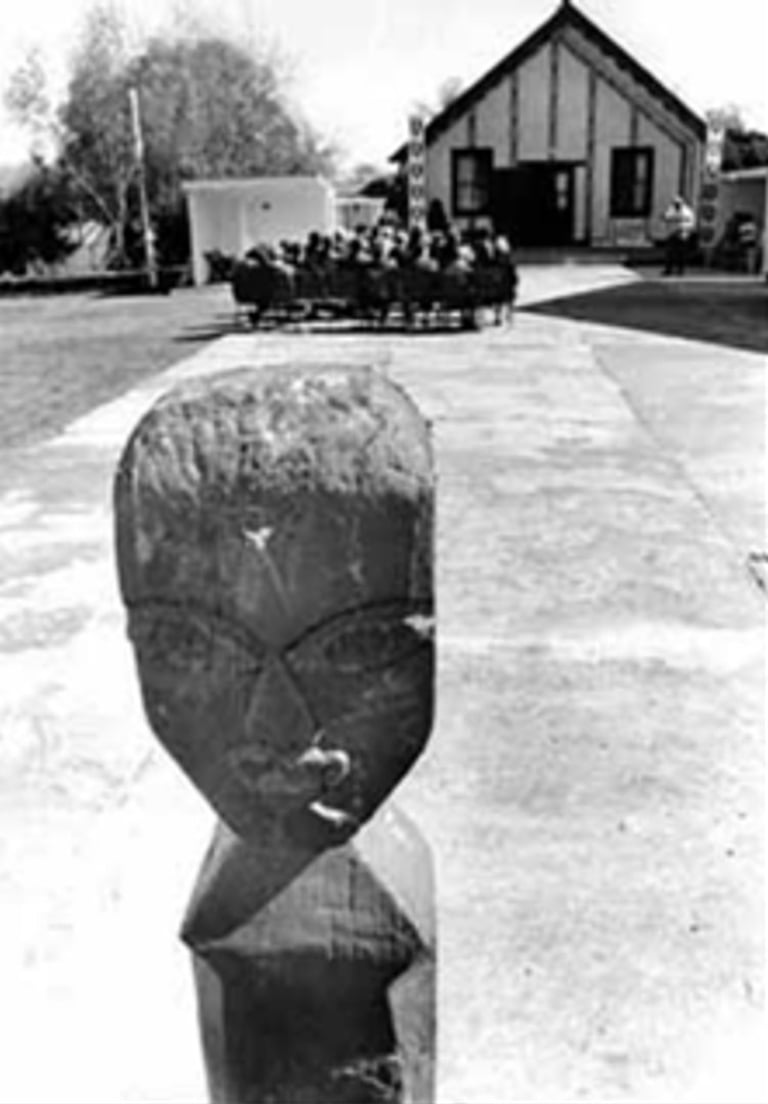
In the very early 1900s Tamahau Mahupuku commissioned the carving of many pou mahara or pou whakairo which still surround Papawai today.
For this reason, Papawai is often referred to as a Pā whakairo.
The pou mahara were erected as a homage to some, but not all, of the influential tīpuna of Papawai. There are a range of different pou, some tīpuna who have been carved are not from Papawai or Wairarapa.
Rather than face outwards as a symbol of protection, the majority of our pou instead face inwards symbolising peace and other important akoranga.
Tamahau, one of many revered rangatira, was honoured by Government officials and our tīpuna with the erection of a memorial to him and his services to our people and to te iwi Māori.
The original memorial was destroyed in a storm, however it now stands in the north-east corner of the pā.
Papawai, after the end of the Kotahitanga and feeling the full effects of land-loss and cultural degradation, began to decline.
Uri moved away and the buildings and grounds fell into a state of disrepair which was exacerbated by heavy storms in the 1930s which damaged some of the large buildings built for the Kotahitanga hui, which ultimately were taken down.
Whakarauora marae, whakarauora tangata! - 1960s ~ 2000s
In the 1960s, the buildings and pou mahara underwent a significant revamp, the buildings (apart from the wharepaku block) were moved into the current positions they are in today and huge efforts from many whānau led to a revamp of Papawai.
Hikurangi is our whare tīpuna and Te Waipounamu is our wharekai.
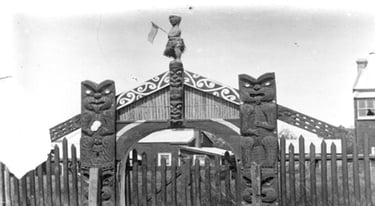
A number of additions have been made since the 60s such as the whakairo that adorn the front of our whare, the waharoa, the wharepaku block and other renovations.
Along with physical revitalisation, many of our tīpuna, whānau and kaumātua have initiated kaupapa reo, waiata and wānanga for our people over the years.
Ko te nāianei - Present day
Our pā is a living pā and a hub for our hapū and uri.
Papawai is the result of efforts from many tīpuna, kaumātua and whānau who gave and continue to give their time and kaha to keep the fires burning at our marae, he ahi kā roa, he ahi kōmau, he ahi kouka e!
We encourage te use of te reo Māori as the main reo of our Pā, nō reira, kia kaha!
Ko Papawai e tū atu nei! Mauri ora ki a tātau!

Papawai Pā
Īmēra | EMAIL
papawai.marae@gmail.com
027 300 0141
Copyright © 1850 Papawai Pā Trust. All rights reserved.
WAEA pūkoro | PHONE